Biological Sciences Research Group
Through advanced research methodologies, we aim to uncover new insights and advance scientific understanding in Biological Sciences, directly impacting Health and driving progress in the Bioeconomy.
Keywords
Functional / Comparative and Meta-Genomics
Microbial Pathogenesis
Applied and Environmental Microbiology
Molecular and Cellular Biology
Coordinator
Goals
The Biological Sciences Research Group (BSRG)
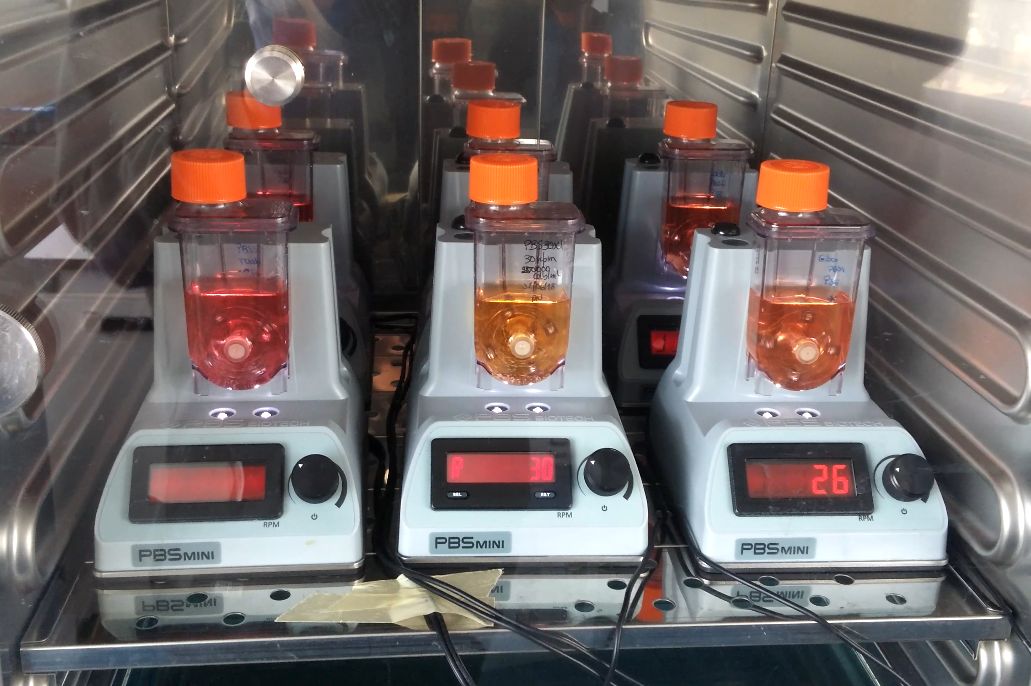
BSRG conducts research in fundamental and applied biological sciences. Research projects combine Microbiology, Molecular and Cellular Biology, Biochemistry, Functional and Comparative Genomics, Metagenomics, and Bioinformatics approaches. Systems and Synthetic Microbiology strategies are also used envisaging the understanding of how biological systems orchestrate multiple and complexfunctions and the effective control or exploitation of their activities relevant for Human Health and Bioeconomy.
Focus Areas
Research Area Coordinator: Isabel Sá-Correia
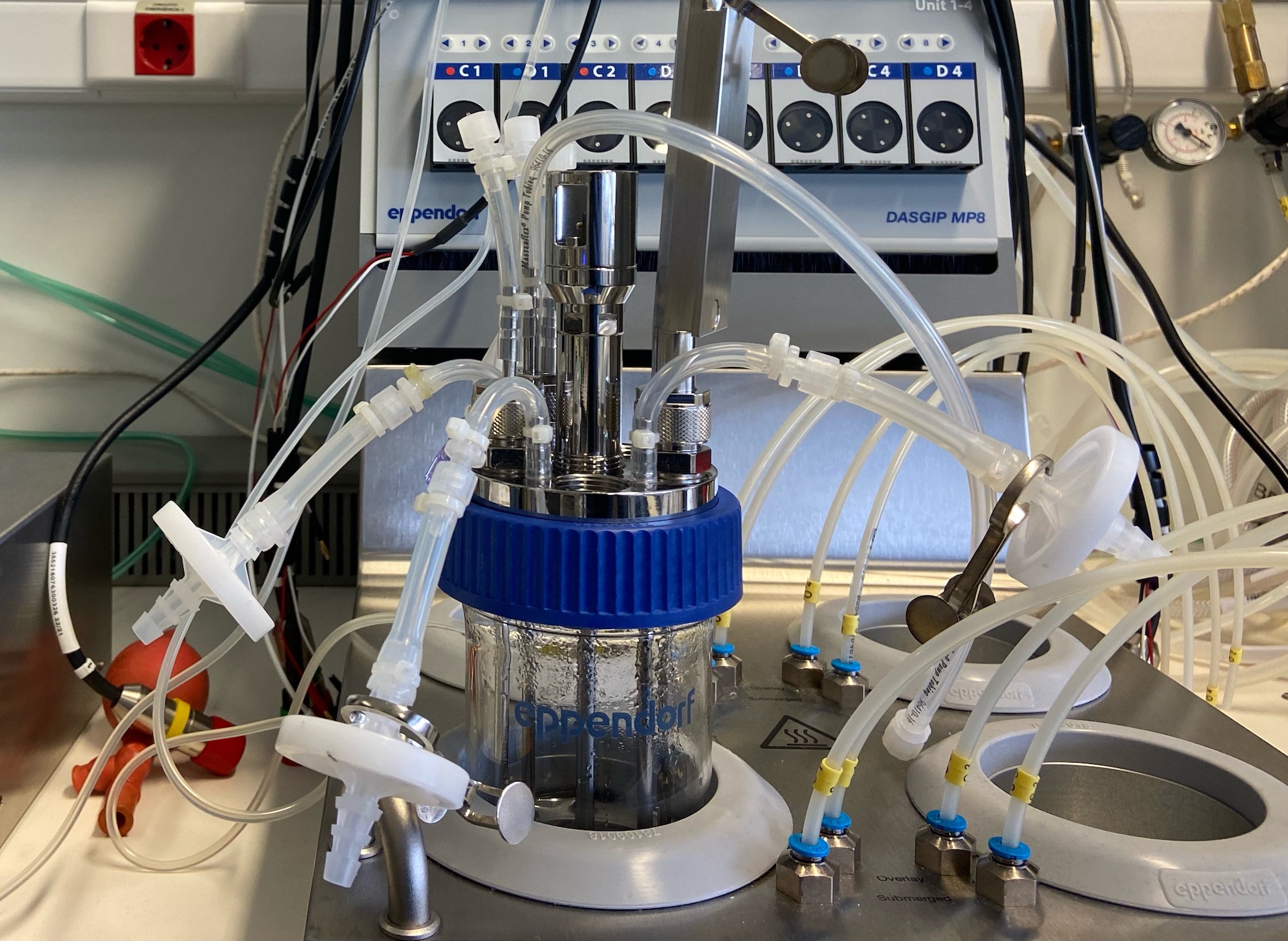
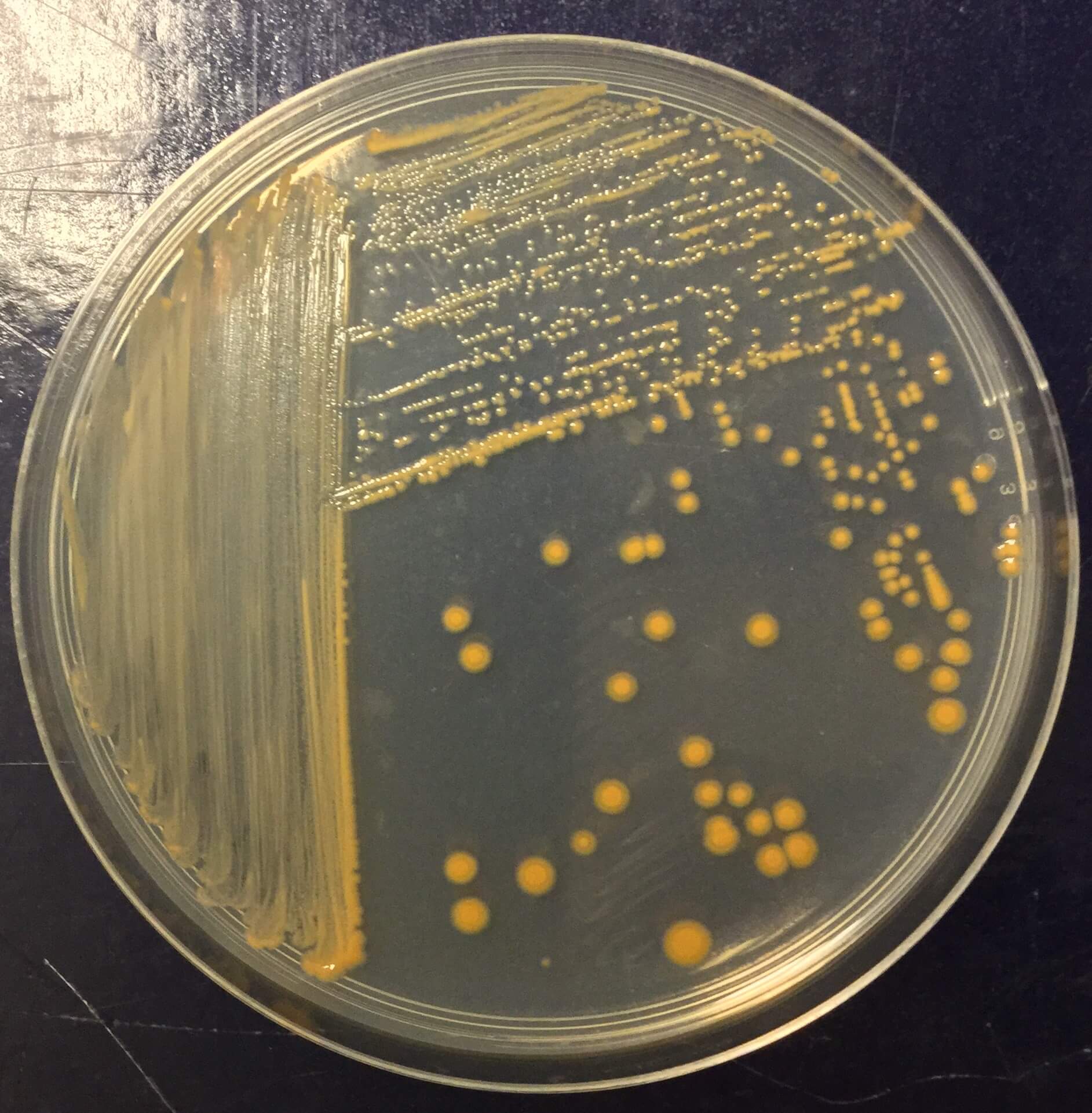
The new Bio-based Economy requires the development of large-scale economically viable yeast-based-processes for efficient valorisation of residues and low-cost feedstocks to produce biofuels, chemicals, and materials. Our research programs explore yeast diversity, molecular and cellular biology, and functional and comparative genomics to understand and improve yeast bioconversion. Special emphasis is given to the holistic understanding of molecular targets and mechanisms underlying yeast response and tolerance to stresses of biotechnological relevance, in particular acetic acid and other short- and medium chain monocarboxylic acids, methanol, and other inhibitors present in lignocellulosic hydrolysates. The role in multistress tolerance of yeast cell envelope, including the cell wall and plasma membrane embedded multidrug/multixenobiotic resistance transporters, H+-ATPase and other transporters involved in ion homeostasis and its regulation, is under study, especially in the model yeast Saccharomyces cerevisiae. Non-conventional yeast species/strains that can efficiently consume all the major carbon sources present in promising feedstocks, exhibit a robust phenotype and interesting biosynthetic pathways, are being isolated in association with commercial (micro)algae cultivation, molecularly identified, and screened for efficient production of lipids, carotenoids, and biosurfactants. Attention is given to the frequently isolated oleaginous red yeasts of the genus Rhodothorula and other yeasts also with potential as probiotics.
Research Area Coordinator: Nuno Mira
The SynthYeasts’ team explores the development of metabolic engineering approaches (supported by computational metabolic modelling) to improve production of add-value bulk chemicals in Yeasts, including of molecules that are “new-to-nature” and for which synthetic biochemical pathways are designed and customized. Another strong focus is the work on the biology, physiology of wine Yeasts (specially those belonging to the Saccharomycodeacea family) to be used in the industry as starter cultures with multi-functional purposes including bio-flavourants and biocontrol agents. The third vector of our lab is the development of non-conventional treatments, based on probiotic lactobacilii species of the human microbiome, for the treatment of infections caused by Candida species.
Research Area Coordinator: Miguel Teixeira
The FunPath Lab is focused on understanding fungal infections caused by human pathogenic yeasts of the Candida genus, from a genome-wide perspective, and on using this information to improve therapeutic options.
Our current projects within this subject include:
– The use of genomics, transcriptomics, proteomics and chemogenomics to unravel the evolution of Candida clinical isolates towards clinically-relevant phenotypes.
– The development of computational tools and models to study transcriptional regulation and metabolism in Candida and Cryptococcus at a genomic scale, including particularly the Yeastract+ database.
– The characterization of the large array of multidrug resistance transporters and of the transcription regulatory networks controlling Candida response to clinically-relevant stresses and conditions.
Altogether, the gathered knowledge is expected to aid in the design of novel tools for: i) the diagnosis of drug resistance in clinical isolates; ii) identification of new drug targets that may act as determinants of biofilm formation, drug resistance or virulence; iii) the design of more effective drugs, to be used alone or in combination therapy with currently existing antifungals.
Research Area Coordinators: Rodrigo Costa / Tina Keller-Costa
Life as we know is strongly underpinned by inter-domain symbiotic relationships (Bacteria-Archaea-Eukarya). Ranging from simple associations dominated by a single or few mutualist(s), such as the squid-Vibrio and gutless worm symbioses, to the complex “microbiomes” associated with the human gut, plant roots or marine corals and sponges, it seems indisputable that microorganisms in the three domains of life are capable of populating every micro-niche offered for colonization by their animal and plant hosts.
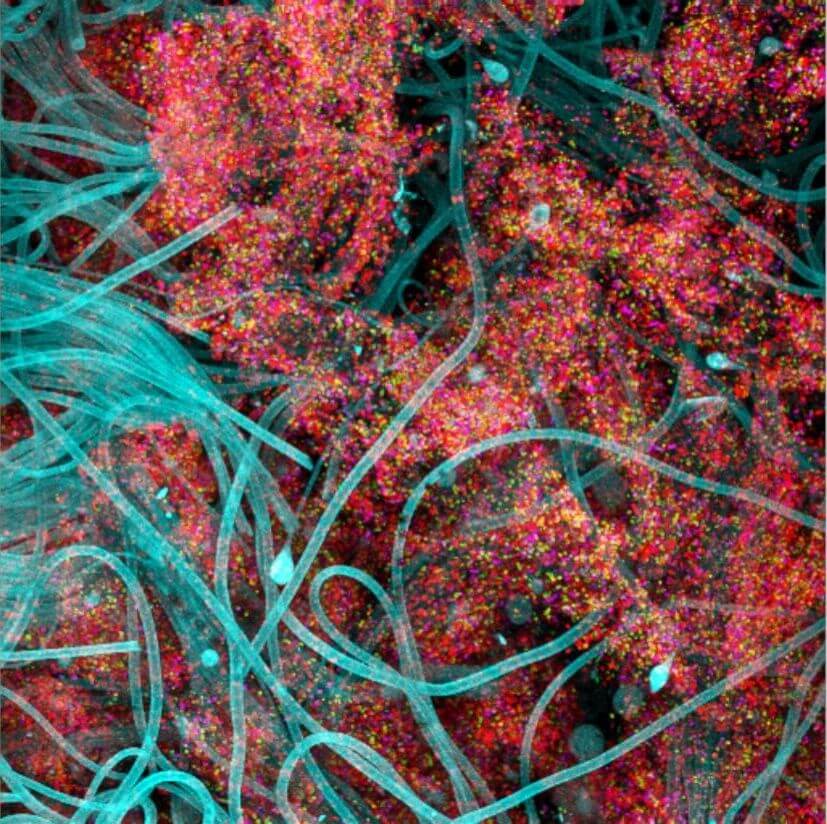
The Microbial Ecology and Evolution Research Group (MicroEcoEvo) at BSRG addresses the causes and consequences of microbial diversity and function in natural and fabricated biomes – with emphasis on Eukaryote-Prokaryote symbioses in the marine realm -, their implications to host/ecosystem health and climate regulation, and potential use as renewable sources of innovative biotechnologies. Research projects focus on harnessing the metabolism of cultured and uncultured (“microbial dark matter”) bacterial symbionts to develop microbiome engineering approaches to (i) suppress microbial diseases and mitigate climate change stressors in aquaculture and coral reef ecosystems, and (ii) design marine-based bioproducts of application across multiple sectors (e.g., health, environment, food, and feed) to leverage the circular blue bioeconomy. Model study systems include the microbiomes of marine sponges, corals, algae, and fish, as well as polar microbiomes.
Research Area Coordinators: Jorge Leitão / Sílvia Sousa / Joana Feliciano
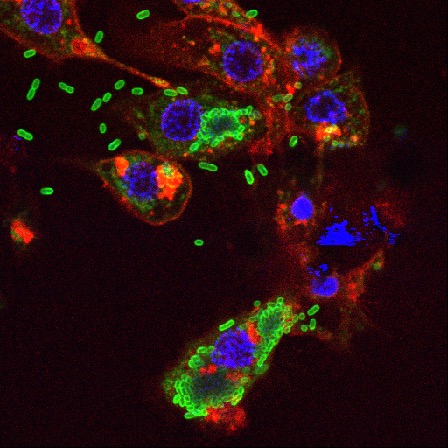
Our research group is dedicated to the uncovering of the still enigmatic roles played by non-coding RNAs (sRNAs) in the biology and pathogenesis of bacteria of the Burkholderia cepacia complex (Bcc). Despite their critical role in post-transcriptional regulation of gene expression and fast adaptation to ever changing environments, the functions of these sRNAs remain largely unexplored. We have recently identified over a hundred of virulence-related novel sRNAs, and our current research focuses on understanding their biological roles, especially those expressed under infection-like conditions. Our work also delves into the functional analysis of sRNAs within extracellular vesicles secreted by Bcc during infection-like conditions, investigating their potential role as modulators of host responses. Additionally, we are identifying and characterizing immunogenic surface-exposed proteins, aiming to develop new immune-based strategies to combat Bcc infections. We value our research collaborations, and we particularly keen on the characterization of novel antimicrobial molecules with therapeutic potential. We are also trying to push the boundaries of microbial pathogenesis and immune response, striving to develop innovative solutions to combat Bcc infections.
Research Area Coordinator: Leonilde Moreira
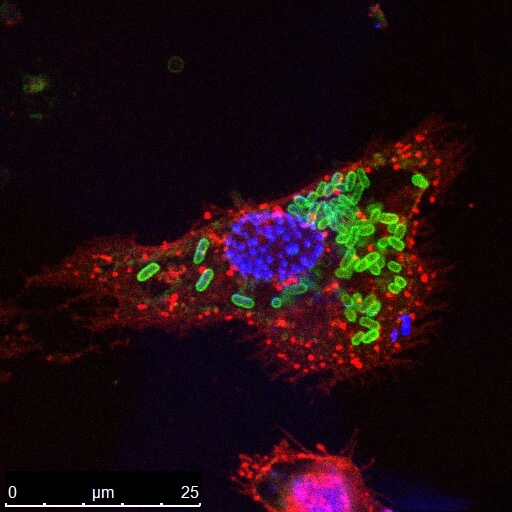
In our research at the Bacterial Pathogenomics Lab, we study the molecular mechanisms that enable the opportunistic pathogen Burkholderia multivorans to adapt to the cystic fibrosis (CF) lung, a condition that frequently leads to chronic respiratory infections. Comparative genomics studies of isolates recovered from chronic CF infections over time have identified a number of relevant genes and pathways that are currently under investigation. Our findings indicate that the development of multicellular aggregates, also referred to as non-surface attached biofilms, is a common feature that likely plays a crucial role in bacterial adaptation and long-term survival in the host. By employing genetic and genomic approaches, we have pinpointed a number of genes that play a role in the formation of aggregates, and we are currently investigating them further. Specifically, the bep genes are currently being studied as they are involved in the production of the main polysaccharide found in the extracellular matrix. Additionally, efforts are underway to hinder the formation of aggregates in B. multivorans. To accomplish this, we primarily rely on the utilization of glycoside hydrolase (GH) enzymes that are naturally produced by these bacteria. The testing of GHs enzymatic activities to disrupt biofilms and aggregates formed by single and multiple species involves a combination of biochemistry, genetics, and microscopy analysis.
Research Area Coordinators: Arsénio M. Fialho / Dalila Mil-Homens
Antibiotic resistance in bacteria is rampant and has created major problems in health care worldwide. Of particular concern is the emergence of multi-drug-resistant bacteria, such as the ones belong to the Burkholderia cenocepacia complex (Bcc) group. These bacteria are opportunistic and prevalent in intensive care units. In addition, they appear to be highly adapted to the respiratory tract and are problematic pathogens in cystic fibrosis patients. In our lab (Bioadhesion Lab), we study the phenomena of bacterial adhesion to host cells and its significance in Bcc pathogenesis. We address this issue from two different perspectives:
1) – The identification and functional characterization of adhesin determinants, particularly those belonging to the class of trimeric autotransporter adhesins (TAAs). To study the contribution of adhesins to pathogenesis, we employ a multidisciplinary approach that includes molecular and cell biology, genomics and transcriptomics, biochemistry, and biophysics.
2) – Investigate the effectiveness of anti-adhesion therapy in Bcc infection control. To achieve this, we study the anti-adhesive properties of a selected panel of host glycans.
Finally, we focused on the development of a non-mammalian animal model (the larvae of the greater wax moth Galleria mellonella) to dissect Bcc virulence and to evaluate drug efficacy and toxicity. We made available a facility at iBB including an insectarium for breeding and maintenance of larvae for in vivo studies. This model system has significant logistical and ethical advantages over mammalian models.
Research Area Coordinator: Nuno Bernardes
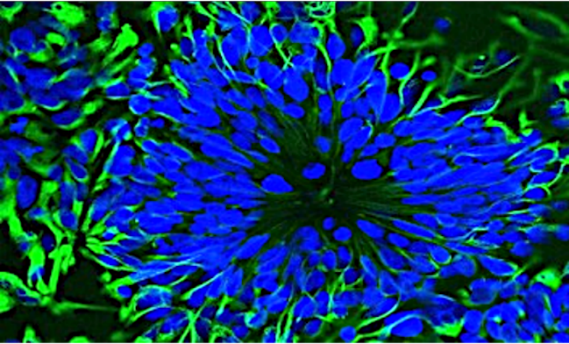
Our work is focused on: i) protein- and peptide-based strategies to enhance tumor-targeted delivery and retention of nanosized drug delivery systems, such as polymeric nanoparticles and extracellular vesicles (EVs); and (ii) cell-based theranostics for cancer with clinically relevant therapeutic cells. Currently, we are exploring different technical approaches and 3D cellular models to increase therapeutic efficacies by studying peptide-cell interactions in the tumor microenvironment which can improve the release of cargoes from the carriers and modulate the communication of cancer cells with their microenvironment.
Specifically, our research topics include:
- Mapping the proximity proteome of the anti-cancer peptide p28 in breast and lung cancer cells to identify uptake mechanisms and new putative drug targets for new drug combinatorial approaches.
- Improved diffusion and cellular uptake of functionalized nanomedicines, exploring p28-functionalized biomaterials for drug delivery in 2D and 3D models of cancer, such as spheroids.
- 3D cancer spheroids and organoids to understand mechanisms of drug resistance, provide putative new therapeutic targets, and optimize drug screening protocols.
Research Area Coordinator: Teresa Pinheiro
The two main pillars of current research activities are I) Cellular uptake of nanoplataforms for radiosensitisation; ii) Multimodal imaging based on ion microbeams, mass spectrometry and optical microscopy.
Specifically, new radiosensitizers, such as B/Fe/Au/nanodiamonds platforms are being used and synthesized. Cell culture models are used to investigate cellular uptake and cellular responses following incubation with the nanoplatforms and irradiation with photon/proton beams. Cell responses include lipidomic/metabolomic changes and genomic instability, whereas cellular targets are being investigated using multimodal correlative imaging approaches.
In order to go beyond the use of 2D cell culture models and to further investigate the cellular radiation response, it is envisaged to develop 3D cell models. This will provide a common basis for investigating radiation effects, which can be used as a model for metastasis simulation and for enhanced precision in subcellular dose distribution.
Publications
Antunes, M., Kale, D., Sychrová, H., & Sá-Correia, I. (2023). The Hrk1 kinase is a determinant of acetic acid tolerance in yeast by modulating H+ and K+ homeostasis. Microbial Cell, 10(12), 261–276. https://doi.org/10.15698/mic2023.12.809
Silva, S. G., Nabhan Homsi, M., Keller-Costa, T., Rocha, U., & Costa, R. (2023). Natural product biosynthetic potential reflects macroevolutionary diversification within a widely distributed bacterial taxon. mSystems, 8(6), e00643-23. https://doi.org/10.1128/msystems.00643-23
Teixeira, M. C., Viana, R., Palma, M., Oliveira, J., Galocha, M., Mota, M. N., Couceiro, D., Pereira, M. G., Antunes, M., Costa, I. V., Pais, P., Parada, C., Chaouiya, C., Sá-Correia, I., & Monteiro, P. T. (2023). YEASTRACT+: A portal for the exploitation of global transcription regulation and metabolic model data in yeast biotechnology and pathogenesis. Nucleic Acids Research, 51(D1), D785–D791. https://doi.org/10.1093/nar/gkac1041
Galocha, M., Viana, R., Pais, P., Silva-Dias, A., Cavalheiro, M., Miranda, I. M., Van Ende, M., Souza, C. S., Costa, C., Branco, J., Soares, C. M., Van Dijck, P., Rodrigues, A. G., & Teixeira, M. C. (2022). Genomic evolution towards azole resistance in Candida glabrata clinical isolates unveils the importance of CgHxt4/6/7 in azole accumulation. Communications Biology, 5(1), 1118. https://doi.org/10.1038/s42003-022-04087-0
Garizo, A. R., Castro, F., Martins, C., Almeida, A., Dias, T. P., Fernardes, F., Barrias, C. C., Bernardes, N., Fialho, A. M., & Sarmento, B. (2021). P28-functionalized PLGA nanoparticles loaded with gefitinib reduce tumor burden and metastases formation on lung cancer. Journal of Controlled Release, 337, 329–342. https://doi.org/10.1016/j.jconrel.2021.07.035